Business owners looking for answers in John Healey’s first Budget will find a fair few gaps.
The Institute for Fiscal Studies says there are still many difficult decisions ahead, and Sir Jeremy Hunt fears they’ll only get harder the longer they’re put off. That matters to us because welfare spending is forecast to climb from £353bn this year to £431bn by 2031/32, and somebody has to pay for it. Businesses will want to know it won’t just mean more tax down the line. The plan to help the near one million young people out of work, education or training could be good news for anyone struggling to recruit, but there’s nothing concrete yet.
O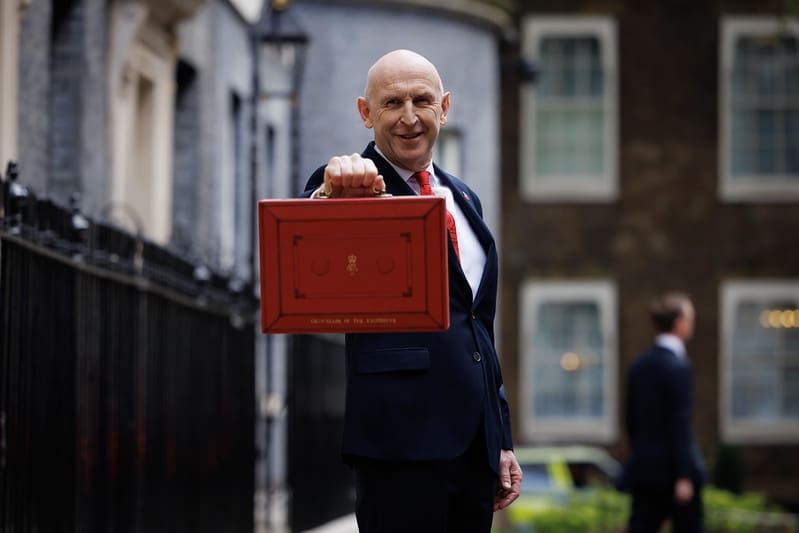 n energy, the £100 payment goes to households rather than firms, and it’s being paid for by a tax on bank profits. Gas standing charges are due to go in 2027, with the cost moved onto the price per unit, so heavy gas users will end up paying more. Anyone running a premises that uses a lot of gas should keep an eye on that. Healey himself admits he can’t make the price pressures from the war in the Middle East disappear.
The Chancellor says the benefits bill will come down before the next election, but the detail on welfare and on getting young people into work won’t arrive until two reviews report in November, so firms are left guessing.
The business mood music isn’t cheerful. The head of the Office for Budget Responsibility called the economic outlook a pretty grim picture, which is hardly what you want to hear when you’re deciding whether to invest or take someone on. The Conservatives called the Budget disjointed and said the public finances are in poor shape, and shadow chancellor Andrew Griffith pointed to welfare as the biggest out-of-control part of government spending. Healey, to his credit, was honest that the government can never remove the cost of living pressures people feel, and that matters to businesses too, as customers with less in their pockets spend less.
Among the announcements were tax rises on some savings and rental profits, which will be of interest to landlords and anyone with money tucked away, plus the £100 energy payment for about 20 million households in England. Beyond that, these two pages say little about measures aimed directly at firms, so it would be worth checking the full Budget papers for business rates, employer costs and the like before telling anyone what it means for them.
Steve Bulley President of Dorchester Chamber for Business said; “We welcome the higher business rates threshold for retail, hospitality and leisure, which should lift some of Dorchester’s independent shops, pubs and cafés out of rates altogether, but many of our members, including office-based firms, tradespeople and professional practices, will see no benefit from it.
“With energy bills still high and the National Living Wage rising by 3.9%, the Budget does little to ease running costs or make taking on staff more affordable, which is the main concern we hear from members. The higher £3,000 trading allowance, the new Young Entrepreneurs Allowance and parental pay rights for the self-employed are sensible steps that should encourage more people in Dorset to start a business and stay in it.
“We are also pleased that the extra Companies House reporting burden on the smallest firms is being dropped, which will save time for our micro-businesses and the accountants who support them. It is not yet clear how the new Founders’ Relief will sit alongside Business Asset Disposal Relief, whose threshold is reported to be falling to £500,000, and our solicitors, accountants and owner-managers will want clarity before planning a succession or sale.
“We will keep working with Dorset Council and our local MPs to make sure Dorchester businesses get the support they need, and to press for further action on costs and jobs.”
Image: HM Treasury – https://www.flickr.com/photos/hmtreasury/55616189817/
With around 100 members any business in Dorset can join Dorchester Chamber from business for £60p/a (no VAT).